How the Dance Class Can Change Your Child in a Better Way?
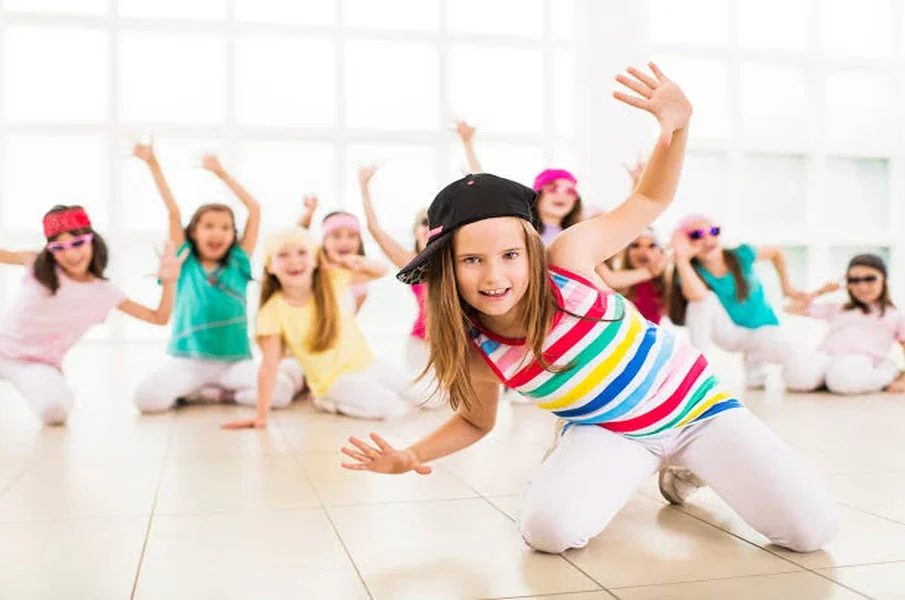
All parents want their child to develop their self-confidence and become capable. Academic training is significant, yet youngsters likewise need tasks that advance their physical and enthusiastic development. Dance can offer such opportunity, for its ability to bring together movement with discipline creativity and social interaction.
A good dance class can be much more than a step-learning environment with respect to the children learning steps. It can be a space in which they find out their capability and learn how to express themselves. Frequent attendance promotes good habits that will stay with children beyond their time in the studio. It can have an impact on communication with others and how they tackle new challenges.
Performances to consolidate confidence
Children build confidence when they are given opportunities to learn something challenging, and then practice getting better at it. That’s a clear way for them to go through it with dance. Children may be apprehensive at first about doing something before others. That fear can be diminished by practicing over time.
Children have to recall gestures and act with mindful attention in executing a routine. A genuine sense of achievement can result when he or she successfully masters a tricky segment of the film. A genuine sense of achievement may occur when he/she successfully masters a difficult segment of the film. Another valuable experience could happen at a performance: they learn how to control the attention from the audience. They start to discover that not getting things right does not imply that they did not do well. Rather they are taught to persist and finish what they began.
Teach to build physical fortitude and coordination
Through dance, children are taught to use their muscles in various combinations, enhancing their balance, flexibility and co-ordination. Children may be spending a lot of time sitting in class or using digital devices during this time, which may need to be complemented by regular movement for good physical fitness. Children are introduced to control of their body, using various locations and movements. They also get better space sense as they understand how to move within the other dancers’ space safely. Rhythm activities can enhance listening-to-movement relationship.
This can help to make movements more precise and meaningful. Physical activity in childhood also has a number of relevant health effects, such as increased bone and muscle strength. Dance can therefore be a pleasurable way to engage in exercise without it being felt as a necessary activity.
Annual assessment service for NS
Some activities require children to learn in a group of other children, so dance can also help children to build their social skills. They need to listen to Teachers and be mindful of others. Group routines embrace collaboration as all members have an element to a performance.
Children are taught that their behavior can impact the group. This can foster the cultivation of patience and respect for others as well as good communication. Fellowship can also occur naturally as a result of the children spending time together practising and performing a piece. For most importantly, dance can facilitate a positive routine which brings together three elements of physical activity, learning and creativity, and social interaction. By using supportive teaching and frequent engagement it can become a means of socializing children to be confident disciplined expressive children.


-
How the Dance Class Can Change Your Child in a Better Way?
All parents want their child to develop their self-confidence and become capable. ... -
-
-
-
-
-