How Running Shoes for Men Improve Athletic Performance
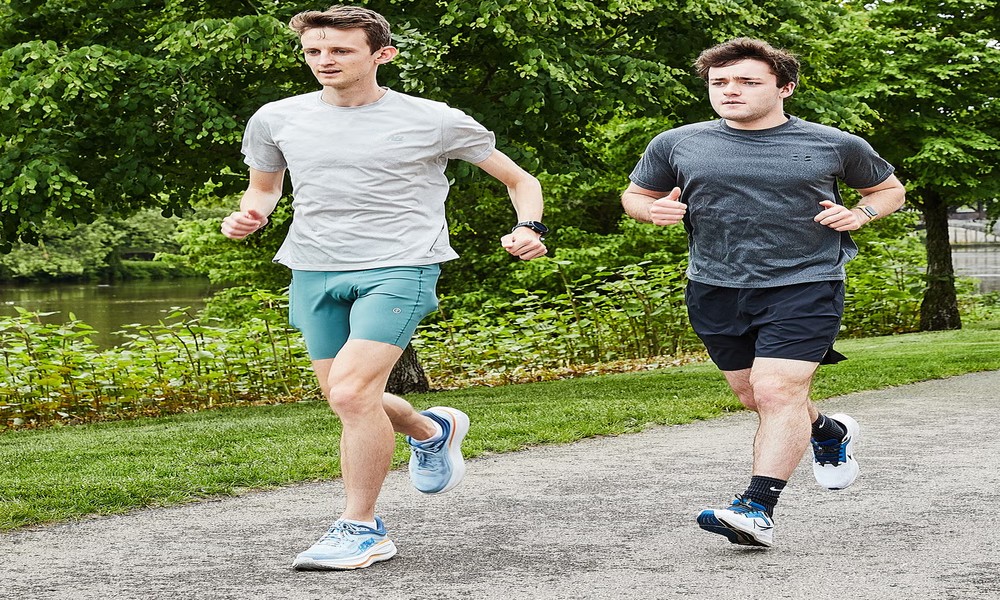
Good running shoes are not only used to shield the feet on the ground. They are aggressive in improving speed, endurance and recovery with superior design features. This guide shows the direct ways in which the correct running shoes for men can enhance sports performance.
The impact of the right pair of running shoes in athletic performance for men
Cushioning systems reduce muscle fatigue
High quality running shoes have special foam that absorbs the impact forces before they contact the legs. Reduction in impact also translates to lower work by the muscles to stabilise the body leaving more energy to run long distances. The cushioning benefits to enhance performance include:
- Impact absorption: Advanced foams, such as ZoomX or Boost compress and rebound, give energy back to the runner with every stride.
- Fatigue reduction: Reduces impact impulse causes a delay in the occurrence of fatigue in legs enabling the runners to remain in pace over a longer duration.
- Joint protection: Cushioned heels will lessen stress on knees and hips so as to train more without injury.
- Consistent rebound: Quality foams retain their bouncing even on their hundreds of kilometres, and ensure a reliable demonstration on any run.
- Weight distribution: broad cushioning platforms distribute landing forces throughout the foot and alleviate hot spots and discomfort.
Midsole geometry promotes efficient stride
The curve and shape of the sole of a running shoe determines the manner in which the foot rolls with each stride. A correct geometry promotes the natural gait which is less energy-wasting. The following are the advantages of an effectively designed midsoles in terms of stride:
- Toe spring angle: When the front of the foot of a person is an upward curve, it decreases the effort that the calves of the person need to propel himself out of the ground.
- Heel bevel shape: An rounded heel bevel promotes easy landing and eliminates the braking effect of flat heeled shoes.
- Rocker bottom design: Curved soles facilitate forward movement, which uses less energy in changing heel to toe.
- Metatarsal bump: This bump under the front foot promotes natural toe splay which enhances the amount of force needed to push off.
- Arch support placement: Excellently placed arch support helps avoid overpronation that is wasting its energy in excessive foot movement.
Upper materials reduce energy loss
The top of the shoe covers the foot and should have a firm grip on it but it should not keep the foot immobile. A good upper keeps the foot in the shoe and the foot does not slide and thereby wastes energy. The performance upper benefits are:
- Heel counter stiffness: The firm heel cup helps hold back the back of the foot preventing wasting of energy through slippage.
- Midfoot lockdown: Inbuilt lacing systems or lock straps are used to hold the centre of the foot so that there might be minimal movement within it.
- Toe box width: The toe box should have a correct shape to enable the spread of the toes and enhance balance and power of push-off.
- Breathable mesh: The upper allows air to flow through the bottom keeping feet cool and avoiding the fatigue that accompanies overheating.
- Seamless construction: Smooth interior areas will eliminate friction blisters, and allow the runners to keep form without distraction.
Discussing the frequently asked questions
What is the frequency of replacement of running shoes?
When the foam in the mid sole becomes flat and hard, or after the shoe has covered five hundred to eight hundred kilometres, replace running shoes.
Will running shoes make one go faster without exercising?
No, shoes do not make one more fit, the conditioning to run faster cannot be done with the help of the shoes.
What is the difference between stability and neutral shoes?
The stability shoes stabilize unnecessary movement of the foot; and the neutral shoes enable runners to run with proper form.
Are race day shoes different from training shoes?
Yes, race shoes are light with more aggressive cushioning, training shoes are more concerned with durability and protection.

-
What golf accessories do most players carry on the course?
Golf accessories are the items players reach for throughout a round to ... -
-
-
-
-
-